
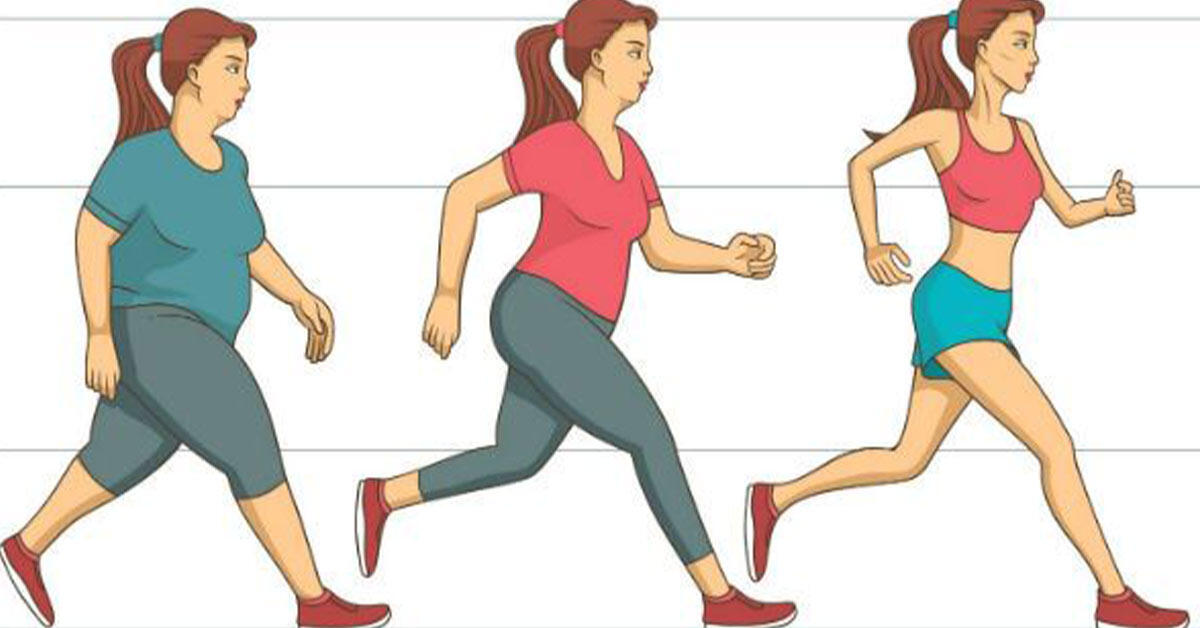
How many types of weight loss methods are there?
1) Methods that reduce the number of fat cells 2) Methods that reduce the volume (empty the contents) of fat cells without changing their number
Does the number of fat cells increase?
The number of fat cells in an adult human body is constant. After puberty, the number of fat cells does not increase, but the volume of fat cells increases. This results in weight gain.
Studies have shown that the number of fat cells in adults remains almost constant. When you gain weight, fat cells swell; when you lose weight, they shrink. The number of fat cells in adulthood is determined in puberty.
Is obesity preventable?
According to research, 60% of people who are obese in childhood remain obese in adulthood.
This rate rises to 80% in those who are obese in adolescence. These figures are extremely striking in that they show that the foundations of obesity are laid in childhood.
When injected into the body, needle lipolysis increases the permeability of the cell membrane, and the broken-down fat cells are destroyed by the liver. Therefore, this method we apply helps to reduce the number of fat cells.
Cryolipolysis is a localized fat reduction protocol that applies freezing cold to fat cells in the problem area, reducing their number by 20-40%.
Liposuction is not a weight-loss surgery. This procedure removes excess fat tissue from the body and reduces the number of fat cells. It is used to shape stubborn localized fat deposits. The cutoff is BMI 30 and slightly above.
MLS (Non-Surgical Liposuction) is a method that involves injecting a hypoosmolar fluid into the fat tissue, then breaking down the fat cells with a thin cannula, liquefying them, and eliminating them through the liver and lymphatic drainage. It is a system that reduces the number of fat cells. It is applied for resistant localized fat deposits.
Weight lost through diet, exercise, and weight loss devices using ultrasound, RF, vacuum, electromagnetic energy, etc., can return if not carefully monitored. This is because these methods do not reduce the number of fat cells; only their volume decreases.
In procedures like gastric bypass and sleeve gastrectomy performed on morbidly obese patients, the number of fat cells does not decrease; rather, the volume of fat cells shrinks. Lifelong adherence to a nutritional and exercise program is necessary.
Familial predisposition, psychological factors, and accompanying metabolic diseases must be evaluated by specialists.