
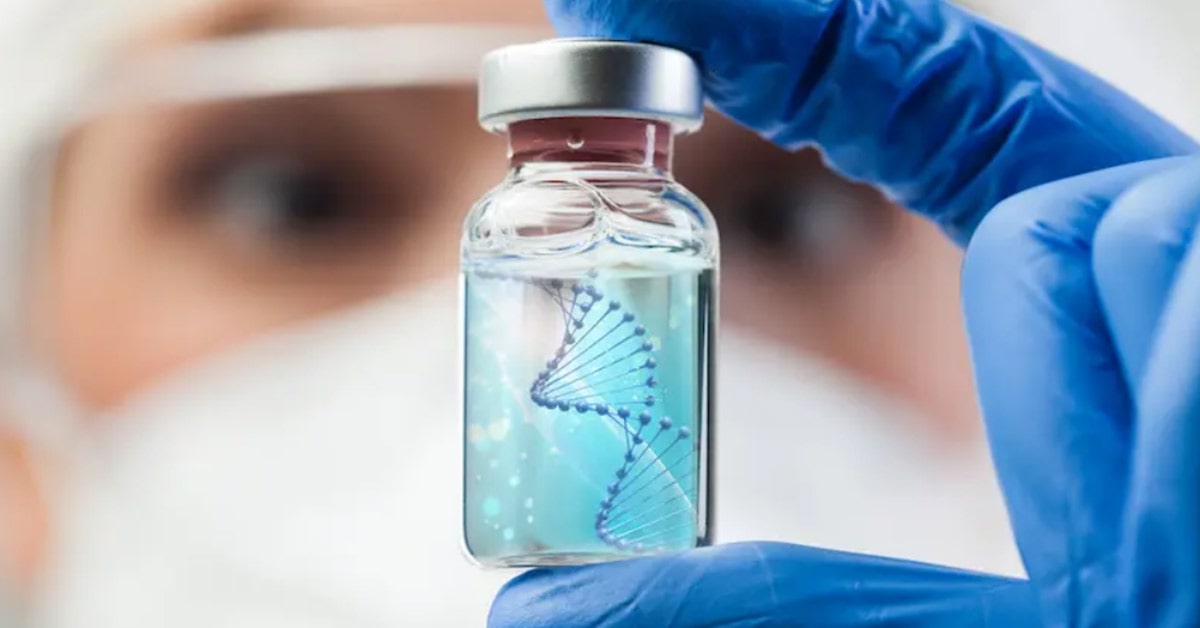
Exosomal Therapy
Exosomes are a “Cellular Therapy” in the Aesthetics Sector.
Exosomes are defined as small, membrane-bound micro-vesicle-like structures that play a role in intercellular communication and biological processes. They are generally produced and secreted by cells. Exosomes have a vesicle-like structure with a diameter between 30-200 nm. They facilitate cellular communication by enabling information transfer between cells and can participate in various biological processes. These nano-vesicle-like structures, also called cell avatars, can be obtained from many tissues after purification through special processes in a culture medium and serological testing in a tissue bank; from bovine colostrum, newborn umbilical cord tissue, plants, and autologously from the person’s own blood.
HOW DO EXOSOMES WORK?
Exosomes have both rejuvenation and regeneration effects. That is, they both repair cells and have an anti-aging effect.
They reduce inflammation by stimulating inflammatory proteins. They stimulate the proliferation and migration of fibroblasts, endothelial cells, keratinocytes, and specific endogenous progenitor cells (ancestor cells) to the damaged area, thereby enabling regeneration.
WHAT ARE THE AREAS WHERE EXOSOME THERAPY IS USED?
It can be used in a wide spectrum of applications such as hair treatments, skin rejuvenation treatments, and wound-burn-scar healing treatments. It can be combined with many other applications, such as gold needle, fractional laser, etc.
HOW ARE EXOSOMES OBTAINED?
They are platelet-derived, meaning they are obtained from your own blood; in the “Autologous Exosome” application performed with a special ultrafiltration system;
60 cc of blood is drawn, and 6-8 cc of exosomes are obtained through ultrafiltration. It is planned as a single-session application, with a booster recommended after 6 months. Other exosomes (bovine colostrum, herbal, newborn umbilical cord) are delivered to clinics as ready-made preparations. The number of sessions and treatment protocol are entirely planned individually by the physician.
What is the difference between autologous exosomes and PRP?
Exosomes have a much higher capacity to send “healing” signals from one cell to another than classic PRP;
Thanks to countless growth factors, exosomes have a regenerative power a thousand times stronger than PRP.